Featured

Gulf War Flare-Up: What the Latest U.S.–Iran Strikes Mean for Your Wallet

  The three-month-old war between the U.S.–Israel coalition and Iran escalated again this morning. Here's a plain-English breakdown of what happened — and what it means for your gas tank and grocery bill. What Happened on June 6? U.S. forces struck Iranian coastal radar sites on Saturday, June 6, after shooting down drones launched by Iran toward the Strait of Hormuz, according to the U.S. military. The U.S. military believes the four Iranian drones were targeting regional maritime traffic. U.S. Central Command said it struck Iran's surveillance sites in Goruk and Qeshm Island, both located on the Strait of Hormuz. Iran did not take that lying down: Iran's Revolutionary Guard Corps said it had targeted U.S. bases in Kuwait and Bahrain in retaliation and fired on four tankers attempting to cross the strait without its permission. U.S. forces also helped shoot down incoming Iranian missiles and drones directed at Kuwait and Bahrain — a barrage of seven ballistic missiles in t...

article

Tragedy Strikes During Hajj Pilgrimage: Over 300 Egyptians Succumb to Heat


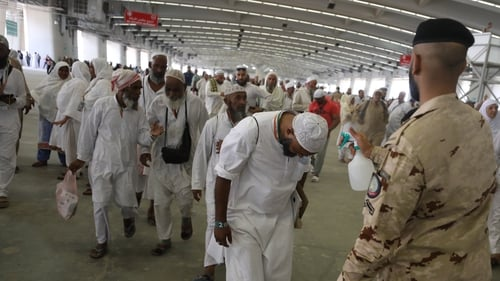
At least 323 Egyptian pilgrims tragically lost their lives during the annual Hajj pilgrimage in western Saudi Arabia. The majority of these deaths were attributed to heat-related illnesses, according to two Arab diplomats coordinating their countries’ responses.

The Hajj, one of the five pillars of Islam, draws millions of pilgrims from around the world to Mecca. However, this year’s pilgrimage faced extreme temperatures, with the area where rituals are performed experiencing a rise of 0.4 degrees Celsius (0.72 degrees Fahrenheit) per decade due to climate change.

Among the deceased, 60 Jordanian pilgrims also succumbed to the heat. Tragically, many of the Egyptian casualties were unregistered pilgrims attempting to save money by avoiding official visas. These off-the-books pilgrims lacked access to air-conditioned facilities provided by Saudi authorities along the Hajj route.

The total death toll reported by various countries has reached 577, highlighting the severity of this heartbreaking event. Other nations, including Indonesia, Iran, and Senegal, have also reported fatalities during this year’s Hajj pilgrimage.

As we mourn the loss of these lives, it serves as a stark reminder of the challenges posed by climate change and the need for better safety measures during religious pilgrimages.


Comments