Featured

Italy Advances Tougher Measures on Migrant Arrivals

ILE PHOTO: Italian Prime Minister Giorgia Meloni attends a bilateral meeting with U.S. Vice President JD Vance (not pictured), during his visit to the Milano Cortina 2026 Winter Olympics in Milan, Italy, February 6, 2026.  Italy’s government has approved a new migration bill that would grant authorities the power to impose temporary naval blockades during periods of intense pressure on the country’s borders. The proposal, backed by Prime Minister Giorgia Meloni, is designed to curb irregular sea crossings by restricting access to Italian territorial waters. The draft law would allow officials to bar vessels from entering for up to 30 days, with the option to extend the measure to six months if national security or public order is deemed at risk. The plan also strengthens border surveillance, increases penalties for human smuggling, and expands the list of offenses that can lead to deportation. Supporters argue the move is necessary to manage migration flows more effectively, whi...

article

French Election Outcome: Leftist Coalition Gains Majority, Macron Faces Uncertainty


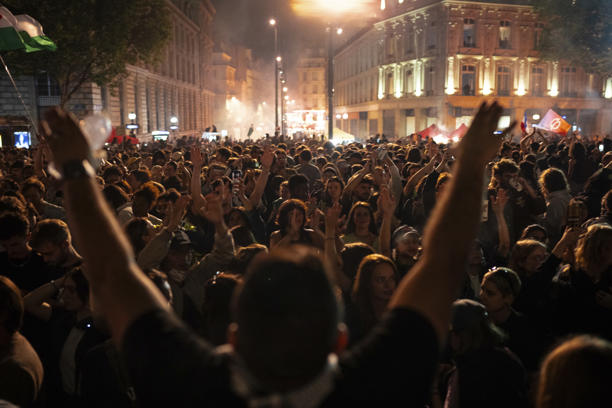
The French election results have yielded an intriguing outcome. While the far-right party, led by Marine Le Pen’s National Rally, increased its seats in the National Assembly, it did not secure an outright majority. Instead, French voters granted the most parliamentary seats to a broad leftist coalition, keeping the far right away from power. President Emmanuel Macron’s centrist alliance came in second. 

Now, with no clear figure emerging as a possible future prime minister, Macron faces uncertainty. He has stated that he will wait to decide his next steps and is heading to Washington this week for a NATO summit. The new legislators can begin work in parliament on Monday, with their first session scheduled for July 18. Prime Minister Gabriel Attal offered his resignation, but Macron asked him to remain temporarily as head of the government. Macron’s term runs until 2027, and despite his weakened position, he still holds significant powers over foreign policy, European affairs, defense, and international treaties negotiation. 

For now, France remains in an unprecedented situation, and the challenge lies in navigating this delicate political landscape.

Comments