Featured

The Subway That Took a Generation: Why the Eglinton Crosstown’s Delays Were Even Worse Than You Think

  Toronto has a long history of transit projects that drag on, but the Eglinton Crosstown LRT has become the city’s defining example of how complicated, political, and painfully slow building transit can be. Most people think of the project as something that started in the early 2010s and simply ran over schedule. The truth is far messier—and stretches back decades. A Project With Roots in the 1990s Long before shovels hit the ground in 2011, the idea of rapid transit along Eglinton was already alive. In the mid‑1990s, the TTC began digging tunnels for what was then called the Eglinton West Subway . Construction actually started—tunnels were being carved out under the street—until the project was abruptly cancelled in 1995. The partially built tunnels were filled in, and the corridor sat untouched for years. That early false start meant that by the time the Crosstown was revived as part of the Transit City plan in 2007, planners weren’t starting fresh. They were restarting a dr...

article

U.S. Increases Military Presence in the Middle East Amid Rising Tensions


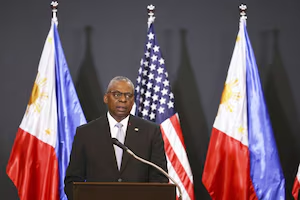
The Pentagon has announced a significant boost in the U.S. military presence in the Middle East. This move includes deploying a fighter jet squadron and maintaining an aircraft carrier in the region. The decision comes as part of President Joe Biden’s commitment to bolster American defenses and support allies in the face of escalating tensions.

Defense Secretary Lloyd Austin confirmed that additional ballistic missile defense-capable cruisers and destroyers will also be sent to the Middle East and Europe. This strategic shift aims to protect U.S. troops and allies, particularly Israel, from potential threats posed by Iran and its proxies.

The deployment follows recent violent incidents, including attacks by Israel on Hamas and Hezbollah leaders, which have heightened regional instability. The U.S. aims to deter further aggression and ensure the safety of its forces and allies.

This move underscores the U.S.'s ongoing commitment to maintaining stability and security in the Middle East, amidst a complex and volatile geopolitical landscape.


Comments