Featured

A Pricey Path to Residency: Trump Administration Unveils $1M Gold Card Visa

  The Trump administration has announced the launch of a new immigration initiative dubbed the Gold Card Visa , a program that grants residency to foreign nationals willing to invest $1 million. Marketed as a fast-track entry into the United States, the visa is designed to attract wealthy investors and entrepreneurs seeking long-term opportunities in the country. Officials describe the program as a way to boost economic growth by channeling foreign capital into American businesses and infrastructure. Critics, however, argue that the policy favors the ultra-rich while sidelining skilled workers and families who lack the financial means to participate. The Gold Card Visa is expected to generate debate over the balance between economic incentives and equitable access to immigration. Supporters see it as a pragmatic move to secure investment, while opponents warn it could deepen inequality in the immigration system.

article

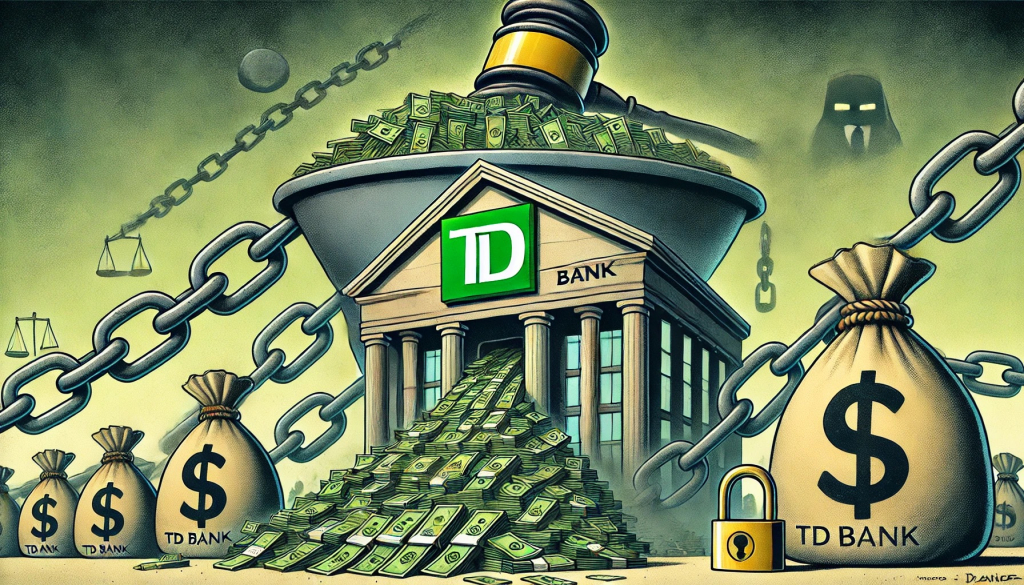
TD Bank Fined $3 Billion for Money Laundering Violations


Toronto-Dominion Bank (TD Bank) has agreed to pay a staggering $3 billion in fines after pleading guilty to multiple charges of money laundering and failing to maintain an adequate anti-money laundering program. This historic settlement marks the largest penalty ever imposed under the U.S. Bank Secrecy Act.

The charges stem from TD Bank’s failure to monitor and report suspicious activities, which allowed drug traffickers and other criminals to launder significant sums of money through the bank’s accounts. U.S. authorities revealed that TD Bank employees were bribed to facilitate these illegal transactions, with over $670 million being laundered through the bank over several years.

In addition to the financial penalties, TD Bank will face an asset cap, limiting its growth in the U.S. market. The bank has also committed to enhancing its compliance programs to prevent future violations.

Bharat Masrani, CEO of TD Bank Group, issued an apology, acknowledging the bank’s failures and pledging to make necessary changes to restore trust and compliance.

This case serves as a stark reminder of the importance of robust anti-money laundering measures and the severe consequences of neglecting them.


Comments