Featured

Five Key Tax Changes Coming in 2026: What Canadians Need to Know

  As 2026 approaches, Canadians can expect several important updates to the federal tax system. These changes affect retirement planning, income tax brackets, and a range of credits that influence how much individuals and families will owe—or save—when filing their returns. Here’s a quick look at five of the most notable adjustments. 1. Higher RRSP Contribution Limits Canadians will be able to contribute more to their Registered Retirement Savings Plans (RRSPs) in 2026, thanks to inflation indexing. The increased limit gives savers more room to reduce taxable income while building long‑term retirement security. 2. Updated Federal Tax Brackets Income tax brackets will shift upward to reflect inflation. This means more of your income will be taxed at lower rates, helping offset rising living costs and preventing “bracket creep,” where inflation pushes taxpayers into higher tax brackets without real income gains. 3. Increased Basic Personal Amount (BPA) The Basic Personal Amoun...

article

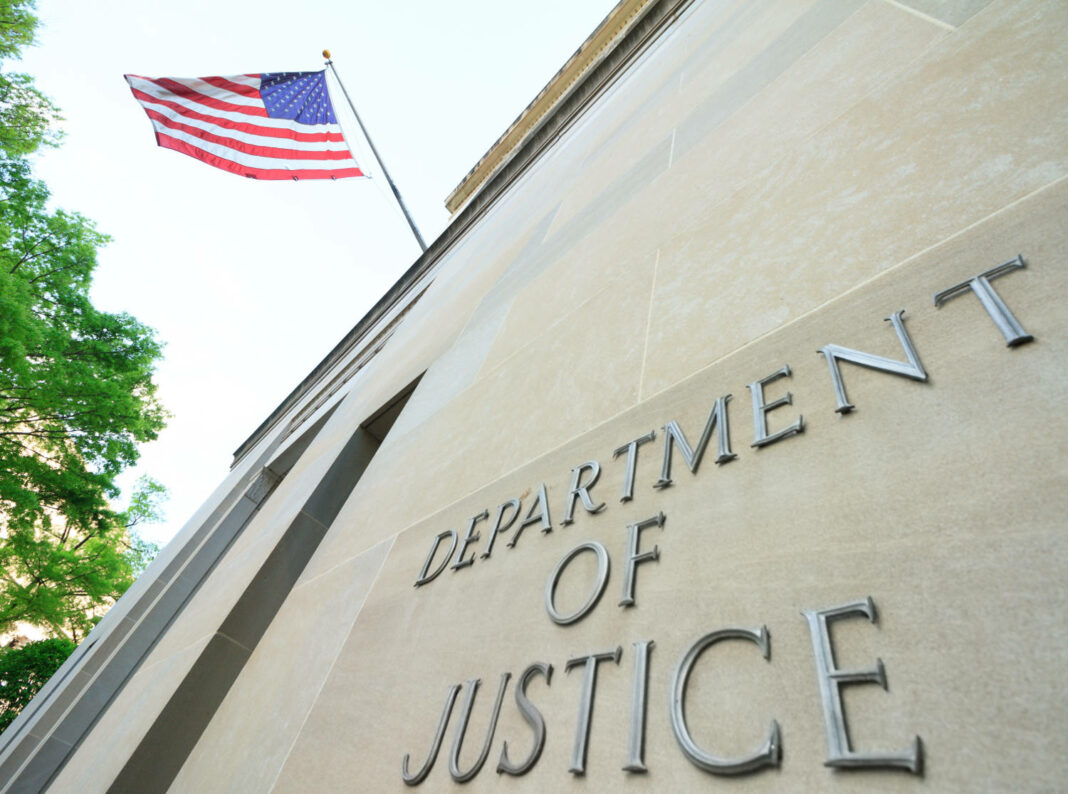
Special Counsel Pauses Federal Prosecution of Trump Over 2020 Election Interference


In a significant development, Special Counsel Jack Smith has requested a pause in the federal prosecution of President-elect Donald Trump for his alleged attempts to overturn the 2020 election results. This move comes in light of Trump's recent victory in the 2024 presidential election.

Smith's request, filed on Friday, asks the court to vacate all remaining deadlines in the pretrial schedule to allow the government time to assess the unprecedented circumstances and determine the appropriate course of action. The Justice Department has a longstanding policy against prosecuting sitting presidents, which has influenced this decision.

U.S. District Judge Tanya Chutkan granted the request, setting a new deadline of December 2, 2024, for the government to file a status report outlining its proposed course for the case. This pause reflects the complexities and legal considerations surrounding the prosecution of a sitting president.

Trump, who has denied all wrongdoing, was initially indicted in August 2023 for his alleged role in a criminal scheme to overturn the 2020 election results. The case has faced numerous delays, and the recent election victory has added another layer of complexity to the proceedings.

As the legal and political implications of this decision unfold, the nation watches closely to see how the Justice Department will navigate this unprecedented situation.

Comments