Featured

Ukraine Faces Deepening Power Shortages After Russian Strikes

A resident shows a journalist where a Russian drone struck the roof of an apartment building, depriving its residents of water, heat and electricity, in Kyiv. Ukraine is confronting one of its most severe energy shortfalls since the start of the full‑scale invasion, with the country currently able to supply only about 60% of its electricity needs. A new wave of Russian missile and drone attacks has heavily damaged power plants and transmission infrastructure across multiple regions, pushing the grid to the brink. Officials report that nearly every major power‑generating facility has been hit in recent weeks. Cities such as Kyiv, Kharkiv, Odesa, and Dnipro have experienced rolling blackouts, leaving millions of residents coping with limited heating, lighting, and communications during the winter season. Ukraine’s government has warned that the situation remains extremely challenging. Engineers are working around the clock to repair damaged facilities, but repeated strikes have slowed...

article

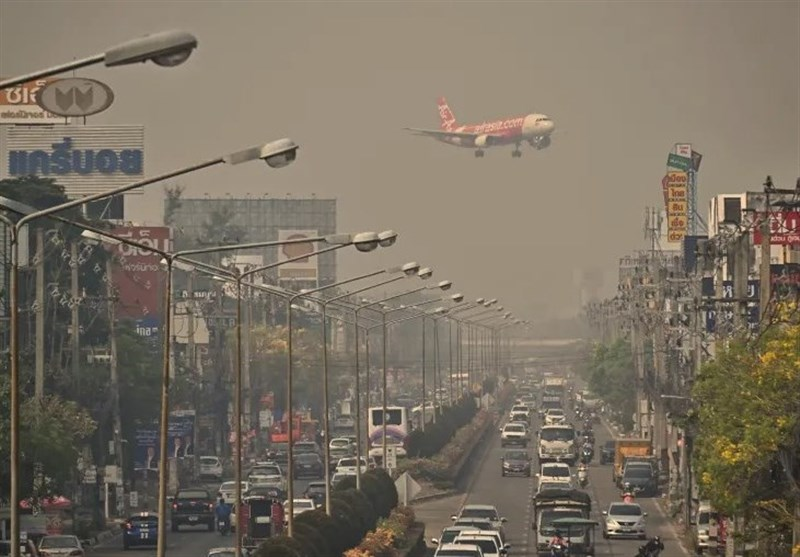
Top Polluting Cities Revealed at COP29 Amid Growing Frustration Over Fossil Fuels


At the COP29 summit in Baku, Azerbaijan, new data has highlighted the world’s most polluting cities, sparking increased frustration over the persistent presence of fossil fuels. According to Climate Trace, a database co-founded by former U.S. Vice President Al Gore, cities in Asia and the United States are the largest emitters of greenhouse gases.

Shanghai tops the list, emitting 256 million metric tons of greenhouse gases annually, followed closely by Tokyo with 250 million metric tons. New York City and Houston also rank high, with emissions of 160 million and 150 million metric tons, respectively. These figures are staggering, considering that some of these cities’ emissions surpass those of entire countries like Colombia and Norway.

The data, which combines satellite and ground observations with artificial intelligence, underscores the urgent need for effective climate action. Activists and climate officials at the summit expressed their frustration with the slow progress in reducing fossil fuel use and the influence of fossil fuel companies on climate policies.

As the world grapples with the escalating climate crisis, the revelations at COP29 serve as a stark reminder of the critical need for global cooperation and decisive action to curb emissions and transition to sustainable energy sources.


Comments