Featured

Trump Pushes Iran Strike Deadline Into April Amid Intensifying Regional Tensions

Onlookers watch from a window the site of a residential building damaged by a strike, amid the U.S.-Israeli conflict with Iran, in Tehran, Iran, March 27, 2026.  U.S. President Donald Trump has extended the deadline for Iran to reopen the Strait of Hormuz or face strikes on its energy infrastructure, moving the cutoff to April 6 at 8 p.m. EDT (April 7 GMT) . The decision follows Tehran’s rejection of a 15‑point U.S. proposal aimed at ending the conflict, which has already spread across the Middle East and disrupted global energy markets.  The conflict, now in its fourth week, has resulted in thousands of casualties and sent oil and fertilizer prices soaring, fueling global inflation concerns. The United States and Israel began striking Iranian targets on February 28 after nuclear negotiations failed to produce a deal. Trump stated that talks are “going very well,” though Iran denies any direct engagement with Washington.  Trump’s extension comes after he previously pau...

article

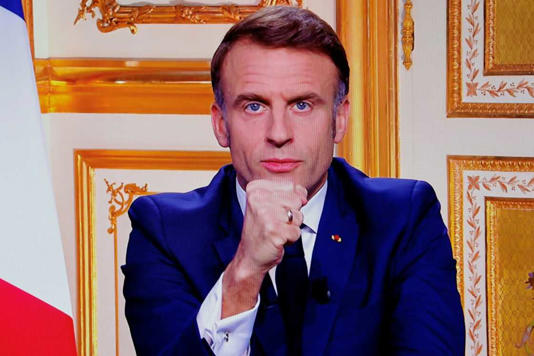
Macron Stands Firm Amid Political Turmoil, Vows to Appoint New Prime Minister


In a defiant televised address, French President Emmanuel Macron has rejected calls to step down following the ousting of Prime Minister Michel Barnier in a historic no-confidence vote. Macron, who is halfway through his second and final term, promised to appoint a new prime minister within days to navigate the country through its current political crisis.

The no-confidence vote, which marked the first time a French government has been toppled in over 60 years, was driven by a coalition of far-right and left-wing factions. Macron criticized these groups for creating an "anti-republican front" and accused them of prioritizing their political agendas over the needs of the French people.

Despite the political upheaval, Macron emphasized his commitment to fulfilling his five-year mandate, which ends in 2027. He stated that the new prime minister's primary task would be to form a government capable of passing the 2025 budget, a critical step to ensure the continuity of public services and economic stability.

Macron's decision to stand firm comes as France faces significant economic challenges, including a substantial budget deficit. The president acknowledged the difficulties ahead but expressed confidence in the country's ability to overcome them, drawing parallels to the successful reconstruction of Notre Dame Cathedral after the 2019 fire.

As the nation awaits the appointment of a new prime minister, Macron's leadership will be crucial in steering France through this period of uncertainty and ensuring that the government remains functional and effective.


Comments