Featured

How to Pay Less Tax in Ontario in 2026 — A Complete Guide for Canadians

             Published: April 2026 | Reading time: 10 min | Category: Tax Savings, Personal Finance If you live in Ontario, you already know the tax bite is real. Between federal and provincial income tax, you could be handing over 43% or more of every extra dollar you earn. The good news? The Canadian tax system is loaded with legal ways to keep more of your money — and most people aren't using all of them. This guide covers every major strategy available to Ontario residents in 2026, from basic deductions to advanced moves that most people miss. Whether you're employed, self-employed, or earning investment income, there's something here for you. Why Ontario Residents Pay More Tax Than Most Canadians Ontario's combined federal and provincial marginal tax rates are among the highest in Canada. Here's what you're actually paying depending on your income in 2026: Taxable Income Combined Federal + Ontario Rate Up to $51,446 ~20.0...

article

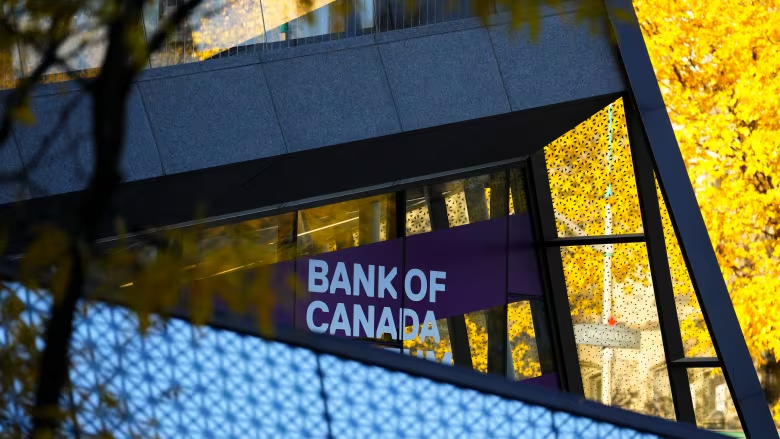
Market Predicts 50 Basis Point Rate Cut by BoC Amidst Weak Job Data


In a surprising turn of events, money markets are now heavily betting on an oversized 50 basis point rate cut by the Bank of Canada (BoC) next week, following today's disappointing jobs data. Analysts had anticipated a more conservative cut, but the weaker-than-expected employment figures have shifted expectations dramatically.

The BoC had previously cut interest rates by 50 basis points in October, bringing the rate down to 3.75%. This move was aimed at curbing inflation and supporting economic growth. However, today's job data revealed a sluggish labor market, with modest job layoffs and weak business hiring, particularly affecting young people and newcomers to Canada.

Economists are now predicting that the BoC will take a more aggressive stance to stimulate the economy, with a 50 basis point cut seen as necessary to maintain inflation at the 2% target and support economic recovery. The market's reaction underscores the growing concerns about the economic outlook and the need for more substantial measures to boost growth.

As the BoC prepares for its December rate decision, all eyes will be on the central bank to see if it follows through with the anticipated rate cut. The decision will have significant implications for borrowing costs and overall economic activity in Canada.


Comments