Featured

Five Key Tax Changes Coming in 2026: What Canadians Need to Know

  As 2026 approaches, Canadians can expect several important updates to the federal tax system. These changes affect retirement planning, income tax brackets, and a range of credits that influence how much individuals and families will owe—or save—when filing their returns. Here’s a quick look at five of the most notable adjustments. 1. Higher RRSP Contribution Limits Canadians will be able to contribute more to their Registered Retirement Savings Plans (RRSPs) in 2026, thanks to inflation indexing. The increased limit gives savers more room to reduce taxable income while building long‑term retirement security. 2. Updated Federal Tax Brackets Income tax brackets will shift upward to reflect inflation. This means more of your income will be taxed at lower rates, helping offset rising living costs and preventing “bracket creep,” where inflation pushes taxpayers into higher tax brackets without real income gains. 3. Increased Basic Personal Amount (BPA) The Basic Personal Amoun...

article

Russia Rejects Trump's Ukraine Peace Proposals

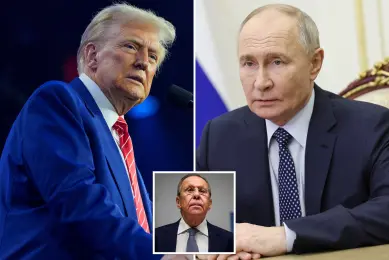
In a significant diplomatic development, Russian Foreign Minister Sergey Lavrov has rejected the peace proposals floated by President-elect Donald Trump's allies to end the ongoing war in Ukraine. Lavrov stated that Moscow has not received any official signals regarding a settlement in Ukraine but expressed dissatisfaction with the unofficial ideas being circulated. 

The proposals reportedly included delaying Ukraine's NATO membership for 20 years and stationing British and European peacekeeping forces in Ukraine. Lavrov emphasized the need for reliable and legally binding agreements that address the root causes of the conflict and prevent future violations. 

Trump, who campaigned on ending the war by the time he takes office, has not officially released any proposals to end the conflict. However, he has claimed that he could end the war within 24 hours of taking office. Despite these claims, Lavrov expressed skepticism about Trump's ability to restore ties between Russia and the U.S., citing the current bipartisan consensus on deterring Russia.

The rejection of these proposals marks a setback for Trump's hopes to freeze the conflict and highlights the complexities of achieving a lasting peace in the region.


Comments