Featured

Sept 15 Tariff Shift: What's Actually Changing on Canadian Goods (And What Isn't)

  Published September 12, 2026 At 12:01 a.m. ET on Tuesday, September 15, a new round of U.S. tariff changes takes effect on Canadian goods. If you've seen headlines calling this a "new 50% tariff on Canadian steel, aluminum and paper," here's the more accurate story: it isn't a new tariff at all. It's the U.S. reshuffling which products fall under a 50% tariff that's already been in place since August 22 — adding some categories, removing others, on the same day. Here's what's actually happening, and why it matters more to Canadian manufacturers and cross-border shoppers than to your everyday grocery bill. The tariff this modifies Back on August 22, 2026, the U.S. imposed a 50% tariff under Section 338 of the Tariff Act of 1930 on roughly $20 billion CAD of Canadian goods. The White House framed it as retaliation for Canadian "discrimination" against U.S. alcoholic beverages, dairy, and motor vehicles — three separate proclamations, eac...

article

Trump’s Last-Minute Demands Throw Government Funding Plan into Disarray


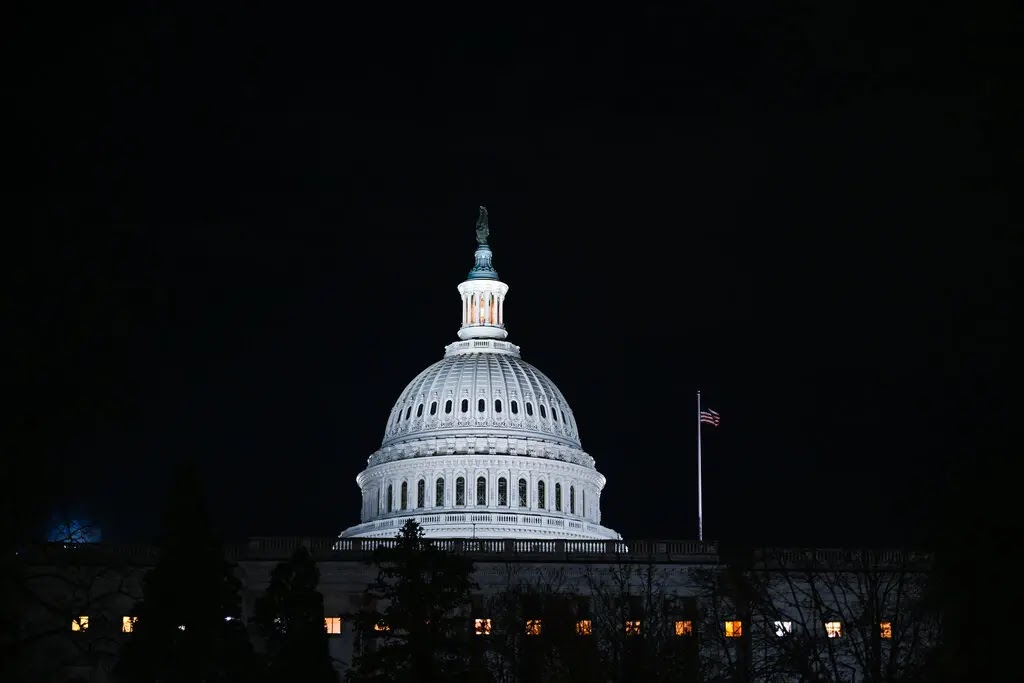
In a dramatic turn of events, President-elect Donald Trump has rejected a bipartisan plan aimed at preventing a government shutdown just days before the deadline. This unexpected move has left House Speaker Mike Johnson and Republicans scrambling to renegotiate the terms to keep the government operational.

Trump's sudden demands have sent Congress into chaos as lawmakers rush to conclude their work and head home for the holidays. The president-elect's proposal includes a controversial provision to raise the nation’s debt limit, a measure often opposed by his own party.

Democrats have criticized the Republican opposition to the stopgap measure, which was intended to keep federal offices running and provide significant disaster aid. House Democratic Leader Hakeem Jeffries accused Republicans of being instructed to shut down the government, thereby harming working-class Americans.

The bill, already on shaky ground, faced further rejection from hard-right conservatives and Trump’s ally, Elon Musk. Many lawmakers expressed dissatisfaction with the increased spending and other provisions in the 1,500-page bill.

As the deadline looms, the situation underscores the challenges Republicans will face next year as they take control of the House, Senate, and White House. It also highlights the significant influence Trump holds over the party’s legislative agenda.

Comments