Featured

Reaching Your CPP Contribution Maximum: What Workers Need to Know

  Understanding when you’ve hit the Canada Pension Plan (CPP) maximum contribution for the year can save you confusion—and help you make sense of your paycheques as the year goes on. The CPP is designed with an annual limit, meaning once you’ve contributed the maximum required amount, no further CPP deductions should come off your income for the rest of that calendar year. How CPP Contributions Work CPP contributions are based on: Your employment income The year’s maximum pensionable earnings (YMPE) The CPP contribution rate Each year, the federal government sets: A maximum amount of income on which CPP contributions apply (the YMPE) The maximum total contribution you and your employer must make Once your income reaches that threshold, your contributions stop automatically. How to Know You’ve Reached the Maximum Here are the simplest ways to tell: Check your pay stub Your pay stub shows year‑to‑date CPP contributions. Compare this number to the annual maximum ...

article

Unexpected Oasis: The Buddha Statue in New Jersey Unites Faiths


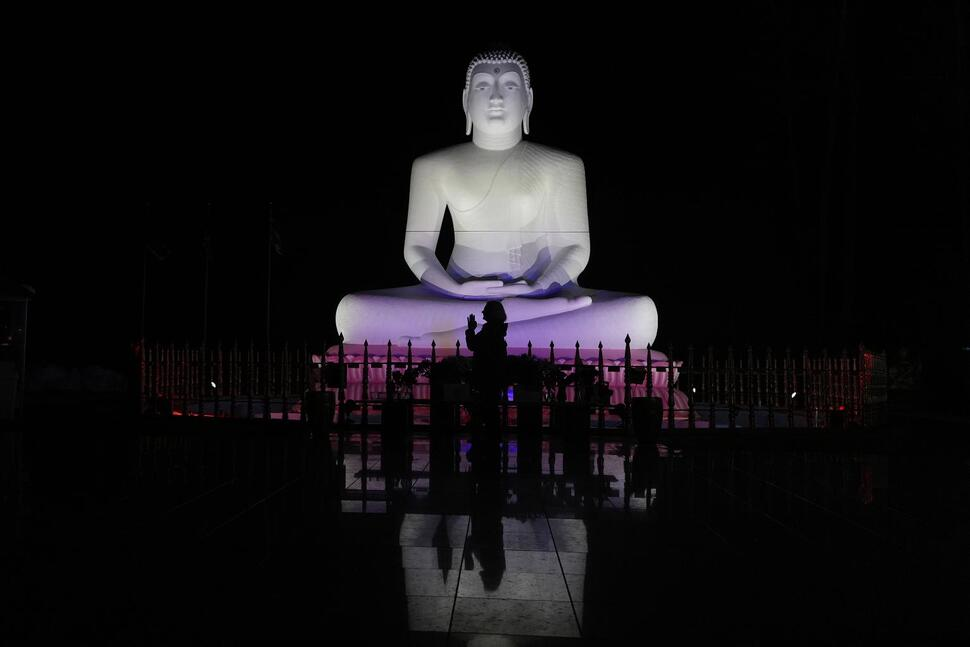
Just off a bustling state highway in Franklin Township, New Jersey, stands one of the largest Buddha statues in the United States. Rising 30 feet high from the woods near Princeton, this statue has become an unexpected interfaith hub and spiritual home for many.

Built a decade ago under the leadership of a Sri Lankan monk ordained in Theravada Buddhism, the statue is part of the New Jersey Buddhist Vihara and Meditation Center. The monk's dream was to unite people of all faiths, and today, that vision is a reality.

The center has become a gathering place for practicing Buddhists, Hindus, and Christians, reflecting New Jersey's diverse religious landscape. Among the regular visitors is Daniel Choi, a Princeton University professor who grew up in a Korean Christian church and now follows Tibetan Buddhism. He has been meditating in front of the Buddha statue since 2015 and describes it as a "public shrine" where people from various backgrounds come together.

The center also hosts interfaith gatherings and maintains a peace garden, tended to by a leader of the local Nepali community. Visitors often find themselves surrounded by colorful Tibetan prayer flags and an interfaith peace mural painted by local students.

"It's uniquely New Jersey," Choi said, noting the mix of people and the untraditional location of such a shrine. "You hear traffic, you hear people chatting, and yet, there's a sense of peace and connection here."

The New Jersey Buddhist Vihara follows Theravada Buddhism but welcomes all Buddhist traditions and other faiths. This inclusive approach has made it a beloved spot for curious tourists and passersby who come to sit in front of the statue, take in the moment, and soak in the vibe.

In a world where finding common ground can be challenging, this unexpected oasis in New Jersey offers a place for people of different faiths to come together, find peace, and connect.


Comments