Featured

Reaching Your CPP Contribution Maximum: What Workers Need to Know

  Understanding when you’ve hit the Canada Pension Plan (CPP) maximum contribution for the year can save you confusion—and help you make sense of your paycheques as the year goes on. The CPP is designed with an annual limit, meaning once you’ve contributed the maximum required amount, no further CPP deductions should come off your income for the rest of that calendar year. How CPP Contributions Work CPP contributions are based on: Your employment income The year’s maximum pensionable earnings (YMPE) The CPP contribution rate Each year, the federal government sets: A maximum amount of income on which CPP contributions apply (the YMPE) The maximum total contribution you and your employer must make Once your income reaches that threshold, your contributions stop automatically. How to Know You’ve Reached the Maximum Here are the simplest ways to tell: Check your pay stub Your pay stub shows year‑to‑date CPP contributions. Compare this number to the annual maximum ...

article

Southern U.S. Paralyzed by Record Snowfall: Thousands of Flights Cancelled


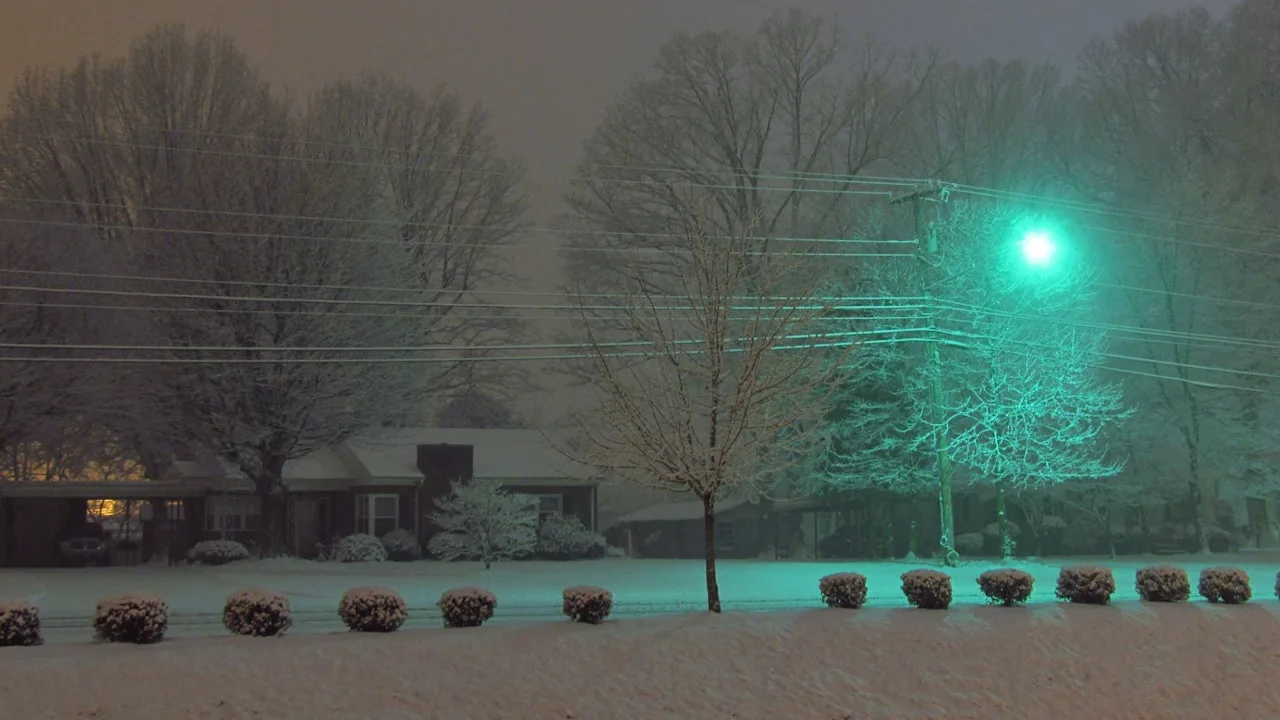
Thousands of flights were cancelled and travel was severely disrupted across the southern United States as a major winter storm brought the region's largest snowfall in almost four years.

The storm, which began on Thursday, drew Arctic air from the north and a surge of Gulf moisture from the south, creating a potent low-pressure system that blanketed states from Texas to the Carolinas with heavy snow. 

In Arkansas, the small town of Mena reported the highest snowfall total with 36 cm of snow, while Little Rock saw 20 cm, doubling its average annual snowfall. The historic snowfall also ended a 1,076-day snowless streak in Charlotte, North Carolina.

Air travel was heavily impacted, with nearly half of all flights into and out of Atlanta cancelled on Friday.The storm also caused significant highway delays and power outages in northeastern Texas and southwestern Arkansas.

As the storm continues to move through the southeast and Mid-Atlantic states, more disruptions are expected, with a swath of 5-15 cm of snow forecasted across the western Carolinas and southern Virginia.


Comments