Featured

U.S.–Iran Strikes Escalate: What It Means for Your Gas Bill and Savings

  ⚡ BREAKING · MAY 8, 2026 By MoneySavings.ca Editorial Team   |  May 8, 2026  |  5 min read The Strait of Hormuz, photographed from space. Approximately 20% of the world's oil supply passes through this narrow waterway. (Image: NASA / Public Domain) American warships were attacked in the Strait of Hormuz on May 7, 2026 — and the U.S. military fired back hard, striking Iranian ports at Qeshm and Bandar Abbas. For Canadians, this isn't just a distant war story. It's a pocketbook issue. 20% of global oil transits the Strait of Hormuz every day $94 projected WTI crude price per barrel if closure continues (CEPR, 2026) 5% of normal shipping traffic still moving through the Strait What Happened — and When The crisis didn't begin overnight. On February 28, 2026, the United States and Israel launched coordinated strikes against Iran, targeting nuclear infrastructure and senior military leadership — including Supreme Leader Ali Khamenei, who was killed in the strik...

article

Trump Orders Expansion of Migrant Facility at Guantanamo Bay

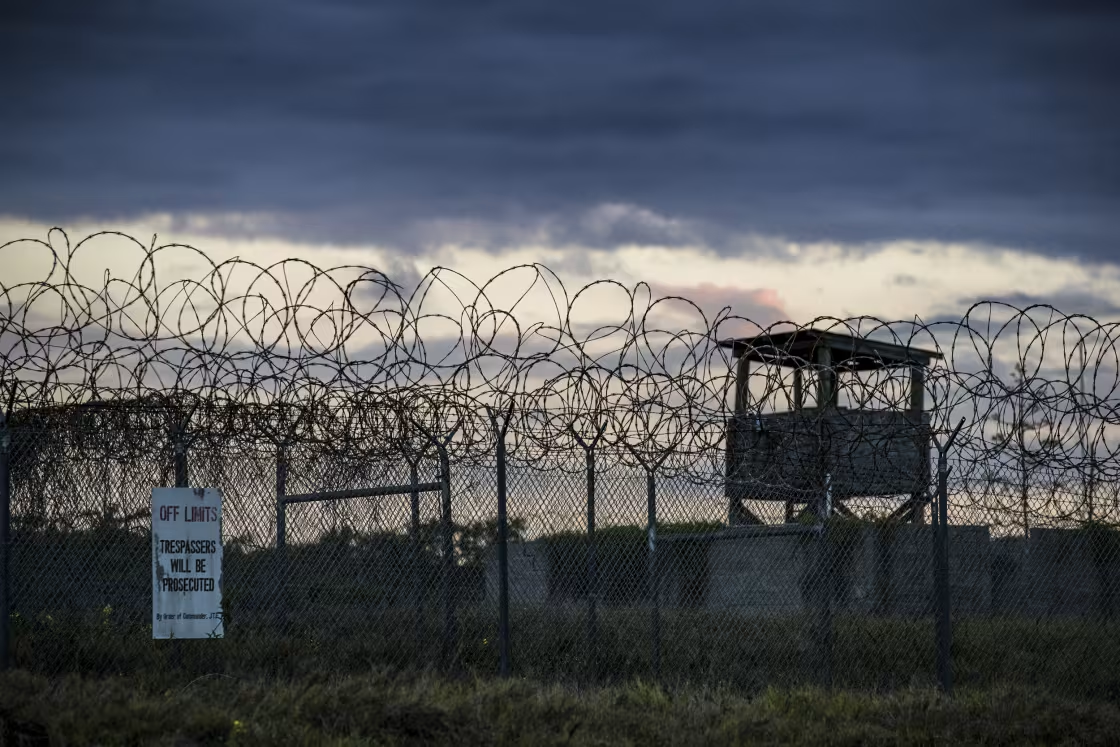
In a move that has sparked significant debate, President Donald Trump announced on Wednesday that he will sign an executive order instructing the Pentagon and the Department of Homeland Security to prepare a migrant facility at Guantanamo Bay. This directive aims to expand the existing Migrant Operations Center to full capacity, providing additional detention space for high-priority criminal aliens unlawfully present in the United States.

Trump's announcement came during the signing ceremony for the Laken Riley Act, an immigration detention measure. He emphasized the need to halt what he described as a "border invasion" and mentioned that the facility at Guantanamo Bay has 30,000 beds to detain the worst criminal illegal aliens. Homeland Security Secretary Kristi Noem supported the move, stating that resources could be established for the "worst of the worst" at Guantanamo Bay.

The decision to use Guantanamo Bay, a site historically associated with the detention of terrorism suspects, has raised eyebrows and concerns among various officials and human rights advocates. The facility, which became a detention site in 2002 under President George W. Bush, has been a contentious issue for years, with former Presidents Joe Biden and Barack Obama both attempting to shut it down during their terms.

The announcement has caught many officials at the Pentagon off guard, with some expressing uncertainty about the number of beds currently available for migrants and whether this would be a short- or long-term mission. The move is part of Trump's broader efforts to crack down on illegal immigration, which has been a central theme of his political career.


Comments