Featured

Five Key Tax Changes Coming in 2026: What Canadians Need to Know

  As 2026 approaches, Canadians can expect several important updates to the federal tax system. These changes affect retirement planning, income tax brackets, and a range of credits that influence how much individuals and families will owe—or save—when filing their returns. Here’s a quick look at five of the most notable adjustments. 1. Higher RRSP Contribution Limits Canadians will be able to contribute more to their Registered Retirement Savings Plans (RRSPs) in 2026, thanks to inflation indexing. The increased limit gives savers more room to reduce taxable income while building long‑term retirement security. 2. Updated Federal Tax Brackets Income tax brackets will shift upward to reflect inflation. This means more of your income will be taxed at lower rates, helping offset rising living costs and preventing “bracket creep,” where inflation pushes taxpayers into higher tax brackets without real income gains. 3. Increased Basic Personal Amount (BPA) The Basic Personal Amoun...

article

Trump Defends Tariffs Amidst Economic Uncertainty


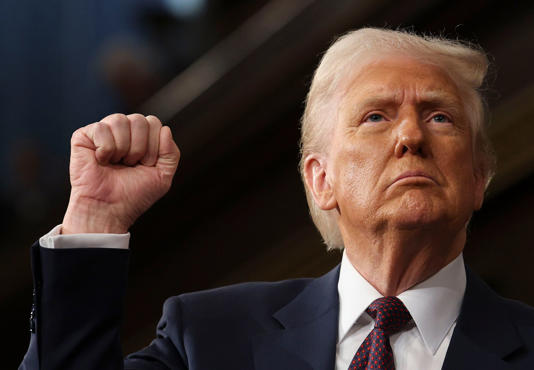
In a recent address to Congress, President Donald Trump defended his tariff strategy, despite acknowledging the potential economic discomfort it may cause. Trump emphasized that the tariffs, which represent the largest increases in a century, are designed to generate significant revenue and rebalance what he perceives as unfair trading relationships. He assured Americans that the economic pain, manifesting as higher prices, would be a "little disturbance" that the nation could overcome.

Trump's speech, which lasted a record-setting 100 minutes, focused on his political strengths, including immigration policies and social issues, while spending relatively little time addressing consumer prices and inflation. He blamed high prices on his predecessor, Joe Biden, and offered few new ideas to lower costs.

The president's approval rating has declined in recent polls, and data shows new strains on the economy, including stagnating factory activity, simmering inflation, and declining consumer confidence. Despite these challenges, Trump remains committed to his tariff strategy, believing it will ultimately benefit the American economy.


Comments