Featured

3 Days to Go: What Actually Changes at the Checkout When Canada's Retaliation Tariffs Hit Sept. 8

  Published September 5, 2026 At 12:01 a.m. on Tuesday, September 8, Canada's counter-tariffs on roughly $27.6 billion worth of American imports take effect. Ottawa named six sectors when it announced the move: steel, dairy, appliances, agricultural equipment, pulp and paper, and electronics. But the actual list of taxed items — the one that determines what you pay at checkout — is narrower than those sector names suggest, and mixing the two up is the easiest way to overpay or miss out on a real deal this weekend. Here's what's really on the list, what isn't, and what the last round of this exact policy tells us about how much prices actually move. What It Means for You If you're planning to buy a U.S.-made fridge, washer, dryer, cooking range, or smartphone, doing it before Tuesday could save you real money. If you're eyeing a dishwasher, laptop, or TV, the "beat the tariff" urgency doesn't apply — those products aren't on the September 8 list...

article

Red Sea Tensions Delay Oil Shipments from Saudi Arabia and Iraq


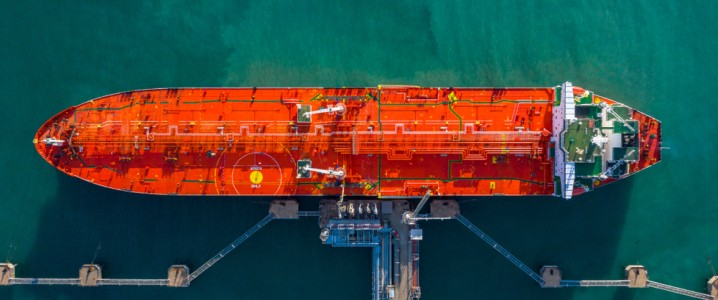
Tankers carrying nearly 9 million barrels of oil from Iraq and Saudi Arabia have been forced to delay their deliveries due to Red Sea security threats. The attacks by Iranian-backed Houthis from Yemen on commercial vessels passing through the Red Sea have made some shipowners reluctant to sail via the region. The Red Sea carries an estimated 9 million barrels a day of oil shipments, representing about 10% of global demand, while the route covers almost one-third of global container traffic and around 12% of global goods trade. The diversions and delays highlight the chaos in the shipping industry that’s spilling over into the wider economy and raising the risk of inflation as flows of food and other goods get disrupted.

The diverted vessels are heading toward Africa, which is a longer voyage from the Middle East to refiners and consumers in Europe. The detour can add more than two weeks’ sailing time when compared with the trip from the Persian Gulf through the Red Sea and Suez Canal. The Middle East, which produces about a third of the world’s crude, ships most of it to Asia and those supplies aren’t affected. Crude prices in London are below $80 a barrel.

The situation is still developing, and it remains to be seen how long the threat will persist. However, the current situation has already had a significant impact on the oil industry and the global economy.

Comments