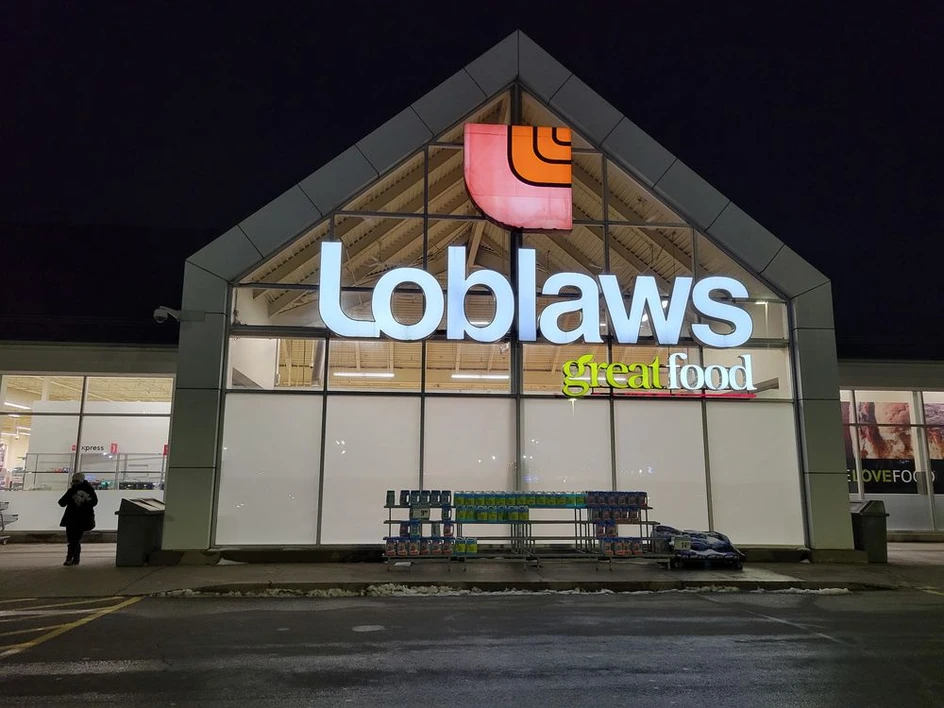
In a growing movement, deeply unhappy grocery shoppers across Canada are planning to boycott Loblaw-owned stores in May. The frustration stems from rising food prices and profits, which have put major grocers under political and public scrutiny. Here’s what you need to know about this grassroots effort:
The Boycott’s Origins:
- The boycott gained momentum online, with thousands of shoppers vowing to take their business elsewhere. A Reddit group called r/loblawsisoutofcontrol, created by mental health and addictions worker Emily Johnson, became a hub for people seeking to voice their complaints about Loblaw and other grocers. The group now boasts approximately 56,000 members.
- While the exact number of participants in the boycott remains uncertain, the Reddit page is filled with posts from individuals who plan to join or have already started boycotting.
Demands and Goals:
- The boycott organizers have specific demands for Loblaw. These include:
- Signing a Grocery Code of Conduct: Shoppers want Loblaw to commit to fair practices and transparent pricing.
- Affordable Pricing: The primary aim is to have a financial impact on Loblaw, the largest Canadian grocer.
- Beyond financial repercussions, the boycott also aims to educate consumers and draw government attention to the issue.
Local Alternatives:
- Mississauga resident and community advocate Rahul Mehta is among those fully boycotting Loblaw-owned stores. He hopes the boycott encourages shoppers to explore local, independent grocers rather than simply switching to other large chains.
- Mehta believes this movement could spark renewed interest in supporting local businesses and demanding real choices beyond the usual Metro vs. Loblaws options.
Loblaw’s Response:
- While it’s unlikely that Loblaw will fundamentally change its business model due to the boycott, the company is paying attention. Recently, Loblaw reversed a controversial decision related to discounts on products nearing their best-before date after facing public backlash.
- Loblaw’s president and CEO, Per Bank, acknowledges the shifting behaviors of consumers. The grocer is responding by introducing new promotions and expanding its discount offerings to retain customers.
In summary, the boycott reflects Canadians’ frustration with the grocery industry’s practices. Whether it leads to lasting change remains to be seen, but it highlights the power of collective action in addressing consumer concerns.



Comments
Post a Comment