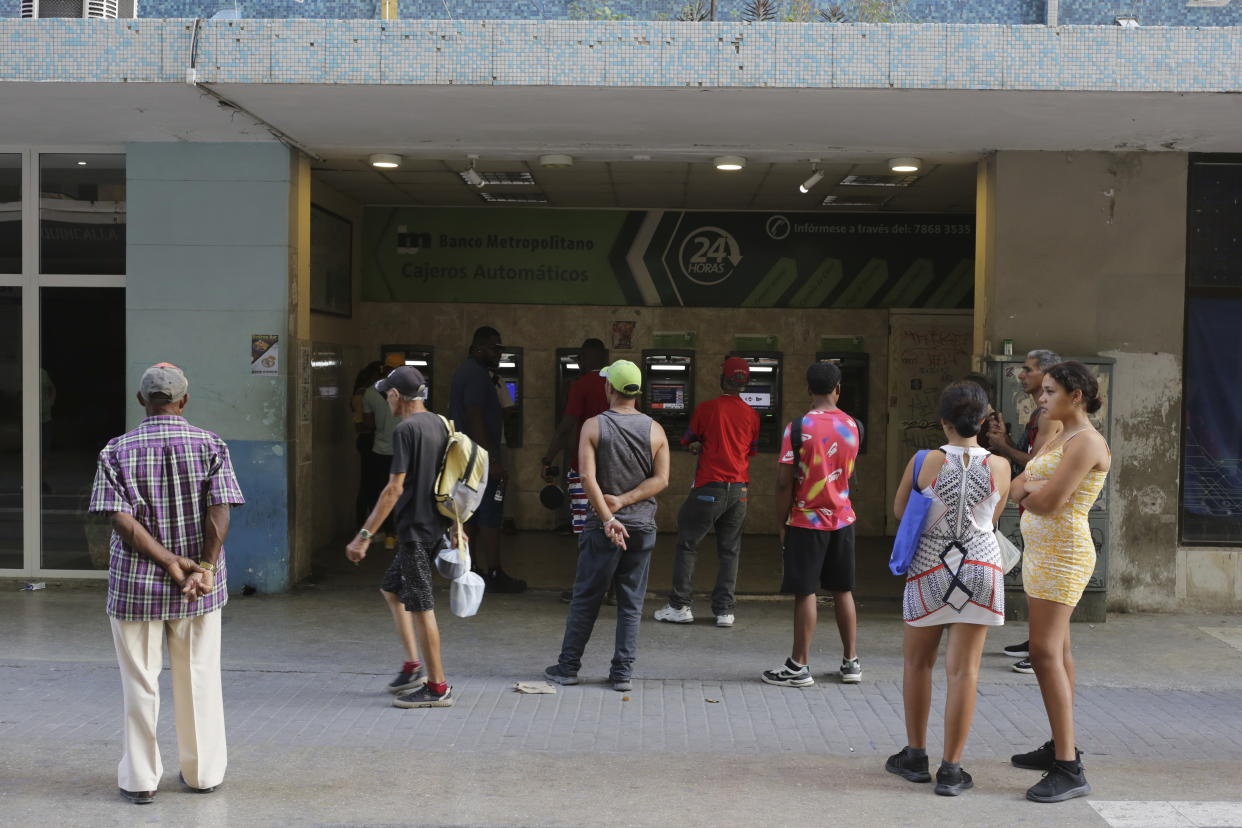
In Havana, Cuba, long queues outside banks and ATMs have become a common sight. People stand in line early in the day, hoping to withdraw Cuban pesos for routine transactions like buying food and other essentials. The shortage of cash has become a significant challenge for many Cubans, adding to the complexities of the country’s monetary system.
Several factors contribute to this cash shortage, all of which are linked to Cuba’s deep economic crisis—one of the worst in decades. Let’s explore the reasons behind this frustrating situation:
Government Fiscal Deficit: Cuba’s growing fiscal deficit has strained the availability of cash. The government’s financial challenges have made it difficult to maintain sufficient liquidity in the banking system.
Lack of High-Denomination Banknotes: The absence of banknotes with denominations greater than 1,000 Cuban pesos (approximately $3 in the parallel market) exacerbates the problem. Without larger denominations, routine transactions become cumbersome for citizens.
Stubbornly High Inflation: Inflation rates in Cuba remain high, eroding the purchasing power of the local currency. As prices rise, people need more cash to cover their basic needs.
Cash Hoarding by Entrepreneurs and Business Owners: Most of the available cash is held by entrepreneurs and small- to medium-sized business owners. These individuals often collect cash from commercial transactions but hesitate to return it to the banks. Their reasons vary—from distrust of local banks to the need to convert Cuban pesos into foreign currency.
Import-Dependent Economy: Entrepreneurs and business owners in Cuba rely on imports for almost everything they sell. To pay for supplies needed to run their businesses, they often hold onto Cuban pesos, intending to exchange them for foreign currency on the informal market.
Converting Cuban pesos into other currencies presents yet another challenge due to the island’s highly fluctuating exchange rates. As Cubans continue to grapple with this cash shortage, frustrations mount, and the daily struggle to access their hard-earned money persists.
The situation in Cuba highlights the complexities of managing a monetary system during an economic crisis.



Comments
Post a Comment