Featured

Wall Street Sinks as Tariff Jitters and AI Volatility Rattle Investors

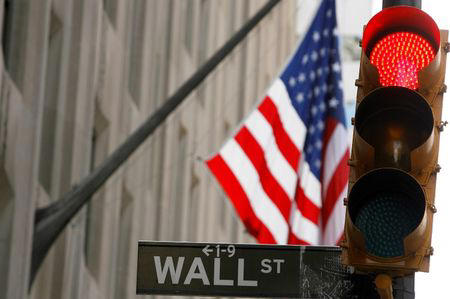
U.S. stocks tumbled in a broad sell‑off today, with the Dow Jones Industrial Average plunging roughly 800 points as renewed tariff concerns and a wave of AI‑related volatility shook market confidence. The S&P 500 and Nasdaq also slid sharply, extending a week of choppy trading driven by political uncertainty and rapid shifts in tech sentiment. Investors reacted to escalating fears that new tariff measures proposed by President Trump could disrupt global supply chains and pressure corporate earnings. Tech stocks—already sensitive to policy shifts—were hit particularly hard as traders unwound positions tied to what analysts have dubbed the “AI scare trade,” a fast‑moving rotation away from high‑growth names. Market strategists noted that the combination of geopolitical tension, policy ambiguity, and stretched valuations created a perfect storm for a sharp pullback. Still, some analysts argue that the downturn reflects a recalibration rather than a fundamental shift, pointing out t...

article

Treasuries Extend Selloff Amid Hawkish Fed Views


The world’s largest bond market is experiencing continued turbulence as hawkish Federal Reserve (Fed) views persist. Here are the key points:

  1. Asian Stocks Under Pressure: Asian stocks are set to open lower after US shares extended their losing streak to the longest since January. Equity futures contracts in Japan, Hong Kong, and South Korea indicate early losses, while those in Australia and China gained. Investors will closely watch Asian chipmakers like Taiwan Semiconductor Manufacturing Co. and Tokyo Electron Ltd.

  2. ASML Holding NV’s Warning: Europe’s most valuable tech firm, ASML Holding NV, reported a tumble in orders during the first quarter. Its China sales are likely to be hampered by US export control measures. This news has raised concerns for semiconductor stocks.

  3. US Bond Market: Despite solid economic readings, the US bond market faces headwinds. Jerome Powell’s recent comments have dampened rate-cut expectations. However, dip buyers emerged in the Treasury market, with two-year yields dropping below 5%. A $13 billion sale of 20-year bonds also drew solid demand.

  4. Investor Sentiment: Investors remain skeptical about how much further US stocks can rally after their strong performance in the first quarter. The latest pullback occurs even as US economic data point to continued strength.

  5. Dollar and Currencies: The dollar was little changed in Asia after falling for the first time in six days. Japanese yen and Korean won have also experienced significant declines against the dollar this year.

  6. Outlook: UBS Global Wealth Management expects the yield on the 10-year US Treasury to end the year around 3.85%. The Fed’s rate cuts, though delayed, are still anticipated, leading to further bond market adjustments.

In summary, the bond market remains sensitive to Fed communications, economic data, and global events. Investors should closely monitor developments as interest rates continue to be a focal point.


Comments