Featured

This Weekend's GTHA Storms Are a Preview of Your Next Insurance Bill

  Monday August 3, 2026 A tornado warning near Niagara, up to 50 mm of rain across the GTHA, and flood watches from Peel to Durham. It's a rough long weekend — and a live example of why your home insurance renewal keeps climbing. What Happened This Weekend Environment Canada issued a special weather statement for most of the GTHA on Sunday, warning of localized rainfall exceeding 50 mm. A tornado warning was briefly issued for the St. Catharines–Niagara Falls area before being lifted. Toronto and Region Conservation Authority and Credit Valley Conservation both issued flood outlook statements, warning that rivers and creeks could rise well above normal levels with a "higher potential for flooding." If this feels familiar, it's because it is. Canada's 2026 severe weather season started earlier and harder than usual — and insurers have already been telling shareholders about it for months. The storm soaking your basement window well this weekend is the same category...

article

Market Turmoil: Stocks and Bond Yields Plunge Amid U.S. Recession Fears


In a dramatic turn of events, U.S. stocks and bond yields plummeted sharply on Friday as recession fears intensified following a disappointing jobs report. The latest data revealed an unexpected rise in the unemployment rate to 4.3%, sparking concerns about the health of the economy and the Federal Reserve’s monetary policy.

The labor market, which had shown resilience despite the Fed’s aggressive rate hikes, now appears to be weakening. This shift has led investors to reassess their expectations for future interest rate cuts. Traders are now betting on significant rate reductions for the remainder of the year, nearly doubling their previous estimates.

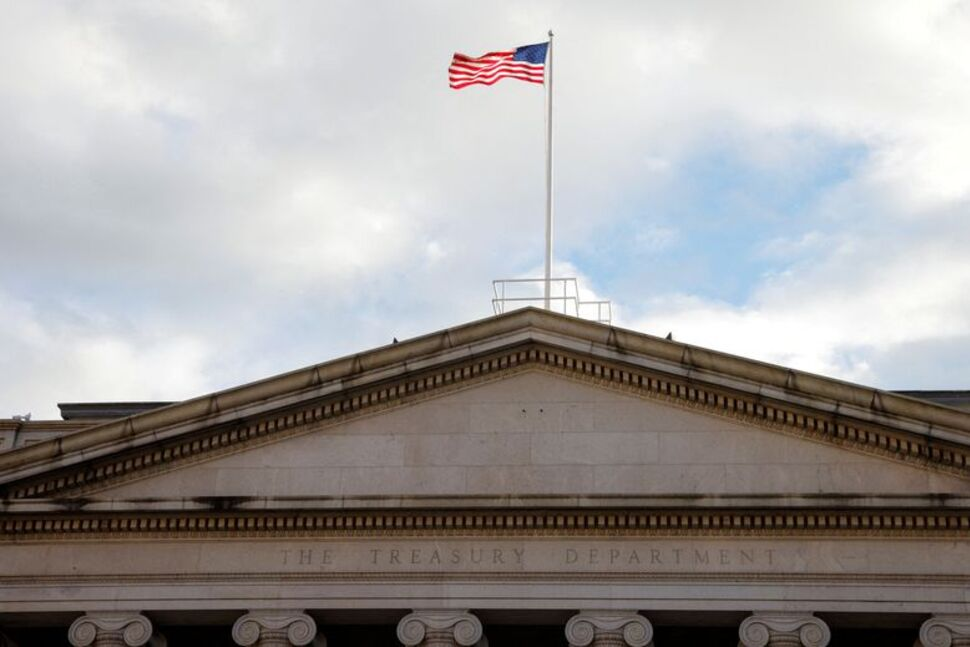
Treasury yields, which move inversely to prices, saw a sharp decline. The two-year yields hit their lowest levels since March last year, while the benchmark 10-year yields reached their lowest since December. The yield curve, which has been inverted for over two years, is now closer to turning positive, a historical indicator of an impending recession.

The bond market’s reaction underscores the growing anxiety among investors about the potential for a recession. The Sahm rule, an early indicator of recession, was triggered as the three-month moving average of the national unemployment rate rose by 0.53 percentage points. This rule has been a reliable predictor of economic downturns, adding to the mounting concerns.

As the market grapples with these developments, the Federal Reserve faces increasing pressure to adjust its policies to prevent a deeper economic contraction. The coming weeks will be crucial as investors and policymakers navigate this uncertain economic landscape.


Comments