Featured

Big Bank Earnings Wrap: What RBC and CIBC Reveal About Your Mortgage

  Royal Bank and CIBC reported record or near-record profits before the market opened Thursday, closing out a jam-packed bank earnings week that also included BMO, Scotiabank and National Bank. Beyond the headline numbers, though, the details tucked into these reports say a lot about where mortgage rates, lending standards and household credit stress are actually heading — and it's a more reassuring picture than a lot of the tariff-and-tension headlines this month might suggest. RBC: Record Profit, Credit Quality Barely Budged Royal Bank of Canada posted net income of $6.0 billion for the quarter ended July 31, up 11% from a year earlier and a record for the bank. Diluted earnings per share came in at $4.23, up 13% year-over-year, while return on equity climbed to 17.9%. The number worth watching for anyone with a mortgage isn't the profit line — it's the provision for credit losses (PCL), the money banks set aside for loans that might go bad. RBC's total PCL was $1.0 b...

article

Congress in Crisis: Scrambling to Avert Government Shutdown


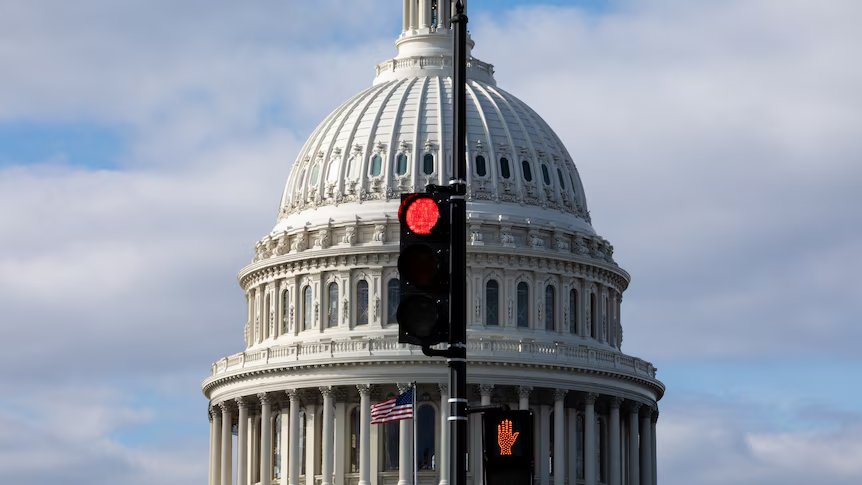
In a dramatic turn of events, the U.S. Congress is racing against the clock to prevent a partial government shutdown. This urgency follows the rejection of a demand by President-elect Donald Trump to lift the nation's debt ceiling. The House of Representatives, led by Speaker Mike Johnson, is attempting to navigate a narrow path that can satisfy both the Republican-controlled House and the Democratic-majority Senate as the midnight Friday funding deadline looms.

Conservative Republicans recently dismissed Trump's call for a five-year suspension of the U.S. debt ceiling, which could have added trillions more to the government's $36 trillion debt. This rejection has left Congress without a clear plan to avoid the shutdown. The situation is further complicated by Trump's insistence on extending the debt ceiling to 2029, a demand that has not gained traction among lawmakers.

The failure of a hastily revised alternative bill, which aimed to keep the federal budget running at its current level through March and provide $100 billion in disaster relief, has added to the uncertainty. This bill was rejected by a vote of 174-235, highlighting the deep divisions within the Republican Party and the broader Congress.

As the deadline approaches, the pressure is mounting on Congress to find a solution that can avert the shutdown and ensure the continued functioning of the federal government. The stakes are high, with potential disruptions to government services and paychecks for federal workers hanging in the balance.

Comments