
Featured

Big Bank Earnings Are In: What They Reveal About Your Mortgage Stress

  August 26, 2026 Canada's biggest banks are in the middle of reporting Q3 2026 results, and so far the headline numbers look strong. BMO and Scotiabank both beat analyst estimates this week, and National Bank of Canada reported this morning. RBC, TD, and CIBC follow Thursday, closing out the sector's earnings season. But the number that actually matters to most Canadians isn't profit — it's what the banks are setting aside for loans that might go bad, and what they're saying about who's struggling to keep up. That's where the picture gets more interesting than the headlines suggest. The headline numbers BMO kicked off the week with adjusted profit up 22% year-over-year and return on equity climbing to 14%, with the bank reiterating its target of 15% ROE by the end of fiscal 2027. Scotiabank posted what CEO Scott Thomson called a record quarter: net income of $3 billion, up 21% year-over-year, with adjusted ROE hitting 14.2% — clearing the bank's own med...
article

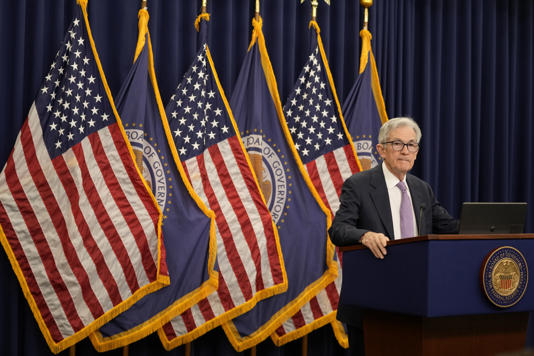
Federal Reserve Signals Slower Rate Cuts Amid Economic Uncertainty


The Federal Reserve is poised to announce a quarter-point rate cut on Wednesday, reducing its benchmark rate from 4.6% to approximately 4.3%. This move follows a half-point cut in September and a quarter-point reduction in November. However, Fed officials are signaling a slower pace of rate cuts in 2025, with expectations of only two or three reductions compared to the four previously anticipated.

The central bank's policymakers are recalibrating their approach as inflation has significantly decreased from its peak of 7.2% in June 2022 to 2.3% in October. Despite this progress, inflation remains above the Fed's 2% target, and the economy continues to grow robustly. Fed Chair Jerome Powell has emphasized the need for caution as the benchmark rate approaches a "neutral" level that neither stimulates nor hinders economic growth.

The upcoming presidential administration's proposed economic policies, including potential tariffs and tax cuts, add to the uncertainty surrounding future rate decisions. As a result, Americans may see only slight relief from high borrowing costs in the near future.


Comments