
Featured

What the Bank of Canada's 2026 Financial Stability Report Means for Your Wallet

  The Bank just gave Canadian households a cautious thumbs-up — but also a warning. Here's what you need to know. The Bank of Canada dropped its annual Financial Stability Report (FSR) on May 28, 2026 — and for most Canadian households, the headline is: things are okay, but don't get too comfortable. The 42-page report is the central bank's most comprehensive yearly check-up on Canada's financial health. It covers household debt, mortgages, business finances, and risks that could shake things up. If you carry a mortgage, have credit card debt, or are simply trying to keep your finances on track, there's a lot in here that directly affects you. Here's a plain-English breakdown of the key takeaways — and what you should actually do about them. 📊 The Big Picture: Resilient, But Not Risk-Free The Bank's overall message is cautiously optimistic. Canada's financial system has held up despite US tariffs, ongoing trade uncertainty, and geopolitical turbulence...
article

Greece's Bold Move: Early Repayment of Bailout Loans

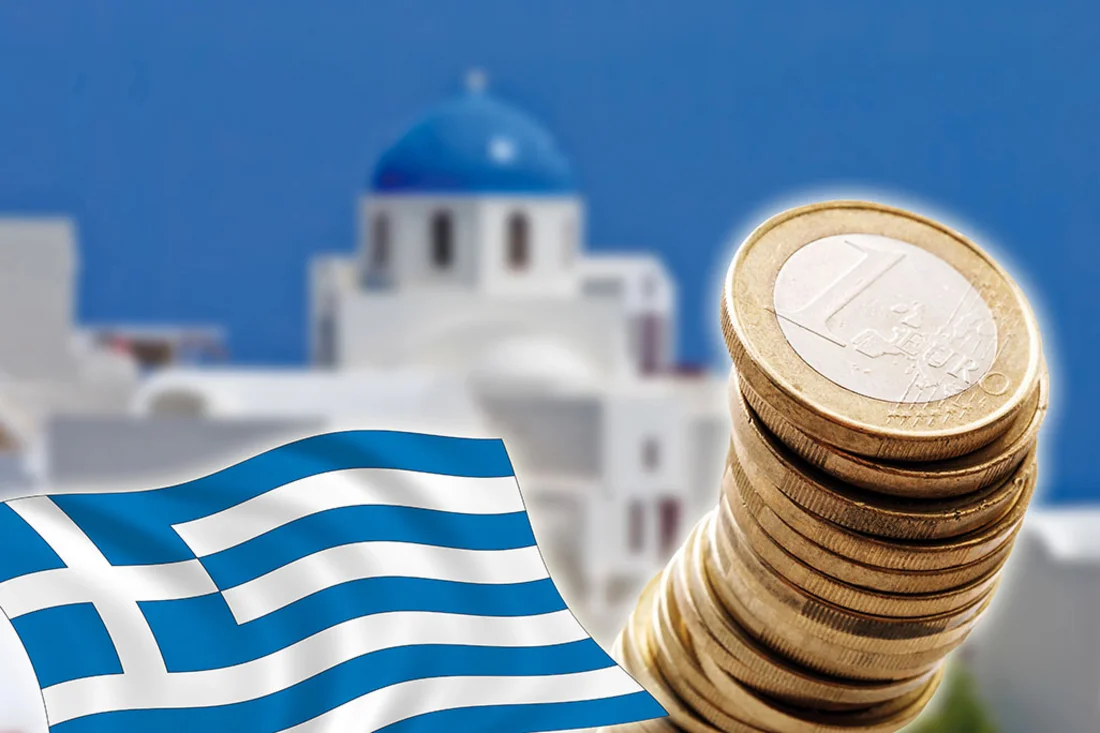
Greece is set to repay the remaining loans from its first bailout program by 2031, a full decade ahead of schedule. This ambitious plan, confirmed by government officials, aims to reduce the country's debt burden and shed its label as the most indebted member of the European Union.

The repayment will proceed in annual increments of €5 billion, supported by a €37 billion cash reserve, higher-than-expected budget surpluses, and new bond issuances. Finance Minister Kyriakos Pierrakakis expressed confidence in this strategy, emphasizing its potential to improve Greece's fiscal standing.

This move comes as Greece continues to recover from the financial crisis that began in 2009, which led to three bailout packages totaling €280 billion. By the end of 2024, Greece had already repaid €22 billion of the €53 billion owed from the first bailout.

With its economy projected to grow by 2.3% this year—twice the eurozone average—Greece is on track to reduce its debt-to-GDP ratio to 135% by 2027. This marks a significant turnaround for a country that has faced years of austerity and economic challenges.

This bold repayment plan not only symbolizes Greece's economic resilience but also sets a precedent for fiscal discipline and recovery within the EU.

Comments