Featured

5 Things to Know Today: Gas Tax Holiday Extended to 2027, BoC Holds, TSX Rebounds

  September 3, 2026 A big one for your wallet just landed: Ottawa is keeping the gas tax break alive well past Labour Day. Here's what else moved markets and money in Canada today. 1. Gas tax holiday extended to January 31, 2027 The federal fuel excise tax break that was set to expire on Labour Day (Sept. 7) isn't going anywhere. Finance Minister François-Philippe Champagne confirmed the suspension of the 10-cent-per-litre gasoline excise tax and 4-cent-per-litre diesel tax will now run until January 31, 2027, before being phased back in at half-rate from Feb. 1 to March 31 and fully restored April 1. Ottawa first introduced the break in April to offset oil-price shocks tied to the Iran war. What it means for you: The scheduled Sept. 8 jump of 10–11 cents a litre is off the table for now. CAA pegged the national average at 172.9 cents/litre this week — budget around that level rather than the higher price many drivers had braced for. 2. Bank of Canada holds rate at 2.25% for a...

article

U.S. Diplomacy at a Crossroads: Trump and Rubio Signal Urgency in Russia-Ukraine Peace Talks

In a pivotal moment for international diplomacy, President Donald Trump has called on Russia to halt its attacks on Ukraine, emphasizing the need for immediate action to end the ongoing conflict. Trump's remarks come as U.S. Secretary of State Marco Rubio warns that the United States may reconsider its role in mediating peace efforts if progress remains elusive.

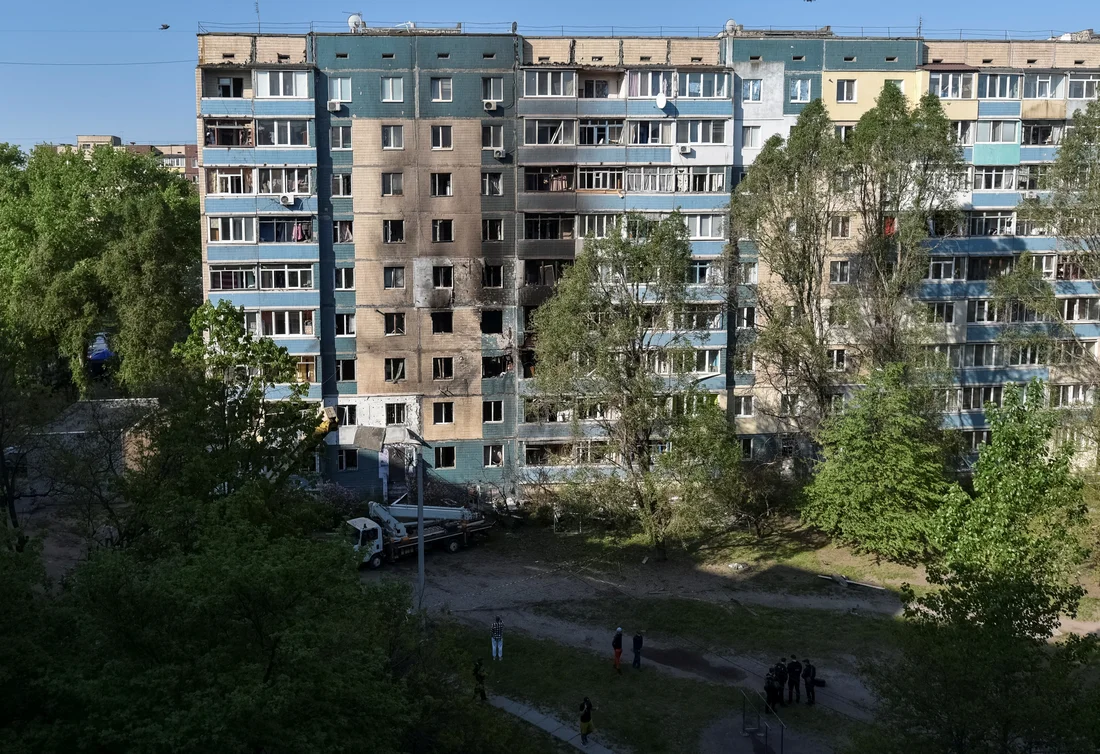
During a recent meeting with Ukrainian President Volodymyr Zelenskyy at the Vatican, Trump expressed frustration over Russia's continued aggression, stating that there was "no reason for Putin to be shooting missiles into civilian areas." Rubio echoed the urgency, describing the coming week as "critical" for determining whether the U.S. will continue its involvement in the peace process.

The stakes are high, with both leaders underscoring the importance of a negotiated settlement to end the war. However, the path forward remains fraught with challenges, as territorial disputes and security guarantees continue to be major sticking points in the negotiations. 

This moment could define the future of U.S. engagement in global conflict resolution, as the administration balances its commitment to peace with the realities of geopolitical complexities.

Comments