Featured

Ukraine Faces Deepening Power Shortages After Russian Strikes

A resident shows a journalist where a Russian drone struck the roof of an apartment building, depriving its residents of water, heat and electricity, in Kyiv. Ukraine is confronting one of its most severe energy shortfalls since the start of the full‑scale invasion, with the country currently able to supply only about 60% of its electricity needs. A new wave of Russian missile and drone attacks has heavily damaged power plants and transmission infrastructure across multiple regions, pushing the grid to the brink. Officials report that nearly every major power‑generating facility has been hit in recent weeks. Cities such as Kyiv, Kharkiv, Odesa, and Dnipro have experienced rolling blackouts, leaving millions of residents coping with limited heating, lighting, and communications during the winter season. Ukraine’s government has warned that the situation remains extremely challenging. Engineers are working around the clock to repair damaged facilities, but repeated strikes have slowed...

article

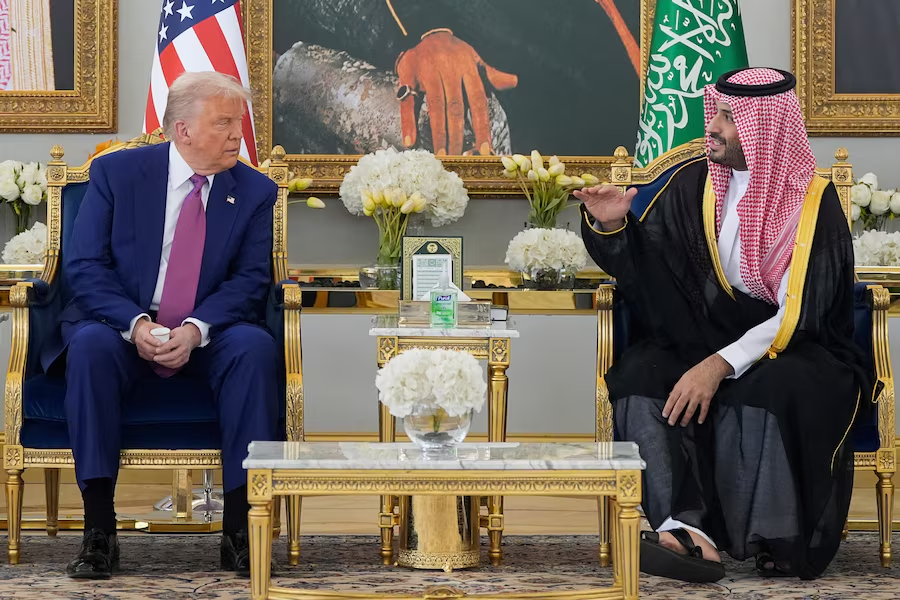
Trump's Gulf Tour: Seeking Economic Deals Amid Regional Tensions

U.S. President Donald Trump has arrived in Saudi Arabia, kicking off a high-stakes tour of the Gulf region focused on securing major economic agreements. His itinerary includes stops in Qatar and the United Arab Emirates, but notably excludes Israel, signaling a shift in diplomatic priorities.

Trump's visit comes at a time of geopolitical uncertainty, with ongoing conflicts in Gaza and Ukraine, as well as concerns over Iran's nuclear ambitions. However, the primary focus of his trip is economic cooperation, with expectations of multi-billion-dollar investment deals between the U.S. and Gulf nations. Saudi Arabia has already pledged $600 billion in investments in the U.S., with Trump reportedly seeking to increase that figure to $1 trillion.

Accompanied by top American business leaders, including Tesla CEO Elon Musk, Trump is set to participate in the Saudi-U.S. Investment Forum in Riyadh before heading to Qatar and the UAE. His administration is also expected to finalize a significant arms package for Saudi Arabia, further strengthening defense ties between the two nations.

Despite his previous efforts to broker normalization agreements between Israel and Arab states, Trump's current tour appears to sidestep direct engagement with Israeli leadership. Analysts suggest that ongoing tensions in Gaza and Israeli Prime Minister Benjamin Netanyahu's stance on Palestinian statehood may have influenced this decision.

As Trump continues his Gulf tour, the world watches closely to see how his economic and diplomatic strategies will shape U.S. relations in the region.

Comments