Featured

Diplomatic Overture: Lavrov Signals Willingness to Meet Rubio

                                                     Russian Foreign Minister Sergei Lavrov Russian Foreign Minister Sergey Lavrov has expressed readiness to meet with U.S. Senator Marco Rubio, signaling a potential opening for dialogue amid strained relations between Moscow and Washington. Lavrov’s statement comes at a time when geopolitical tensions remain high, with both nations navigating disagreements over security, sanctions, and global conflicts. While no formal agenda has been announced, the prospect of a meeting suggests that both sides may be exploring avenues to reduce friction and establish communication channels. Rubio, a senior Republican senator known for his strong stance on foreign policy, has frequently criticized Russia’s actions on the international stage. A meeting between the two figures could mark a rare...

article

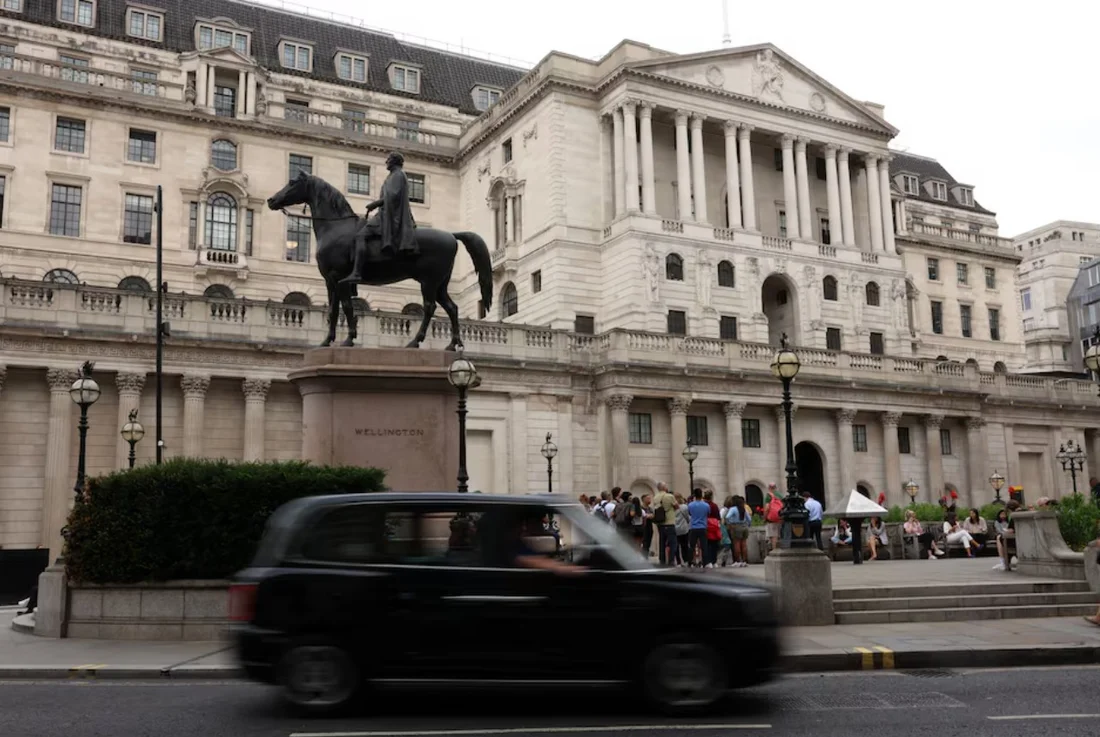
Bank of England Holds Rates, Signals Easing Ahead Amid Job Market Strain

The Bank of England (BoE) has opted to keep its benchmark interest rate steady at 4.25%, maintaining a cautious stance as signs of a weakening labor market emerge. The decision, made by a 6-3 vote within the Monetary Policy Committee, reflects growing concern over rising unemployment and global economic uncertainty, particularly due to escalating tensions in the Middle East.

Governor Andrew Bailey emphasized that while inflation remains above the BoE’s 2% target, the central bank is closely monitoring the cooling job market and its potential to ease price pressures. “Interest rates remain on a gradual downward path,” Bailey noted, though he stressed that future moves would be data-dependent.

The BoE’s decision comes amid a backdrop of elevated energy prices and geopolitical instability, which could complicate efforts to bring inflation under control. Still, with wage growth slowing and job vacancies declining, policymakers appear increasingly open to further rate cuts—possibly as soon as August.

Investors are now pricing in at least two more quarter-point cuts by the end of 2025, signaling a shift toward a more accommodative monetary policy as the UK economy navigates uncertain terrain.


Comments